
Ramsey Park Redwood Falls
A Photo Walk Through Cansayapi
Come along on a photo walk through Ramsey Park in Redwood Falls, a small town of about 5,000 people in southwestern Minnesota. The park is also known as Cansayapi, and it’s the largest municipal park in the state, with more than 256 acres of woods, creek and river. Throughout the park, you will find paved hiking trails, shelters, Ramsey Falls, scenic overlooks, and a small zoo. Locals call it the “Little Yellowstone of Minnesota.”
The zoo features bison, elk, deer, and prairie dogs, along with numerous species of upland game and waterfowl.
Many of the photos on this page are available as prints and digital downloads.
No matter the season, the park offers something worth exploring.
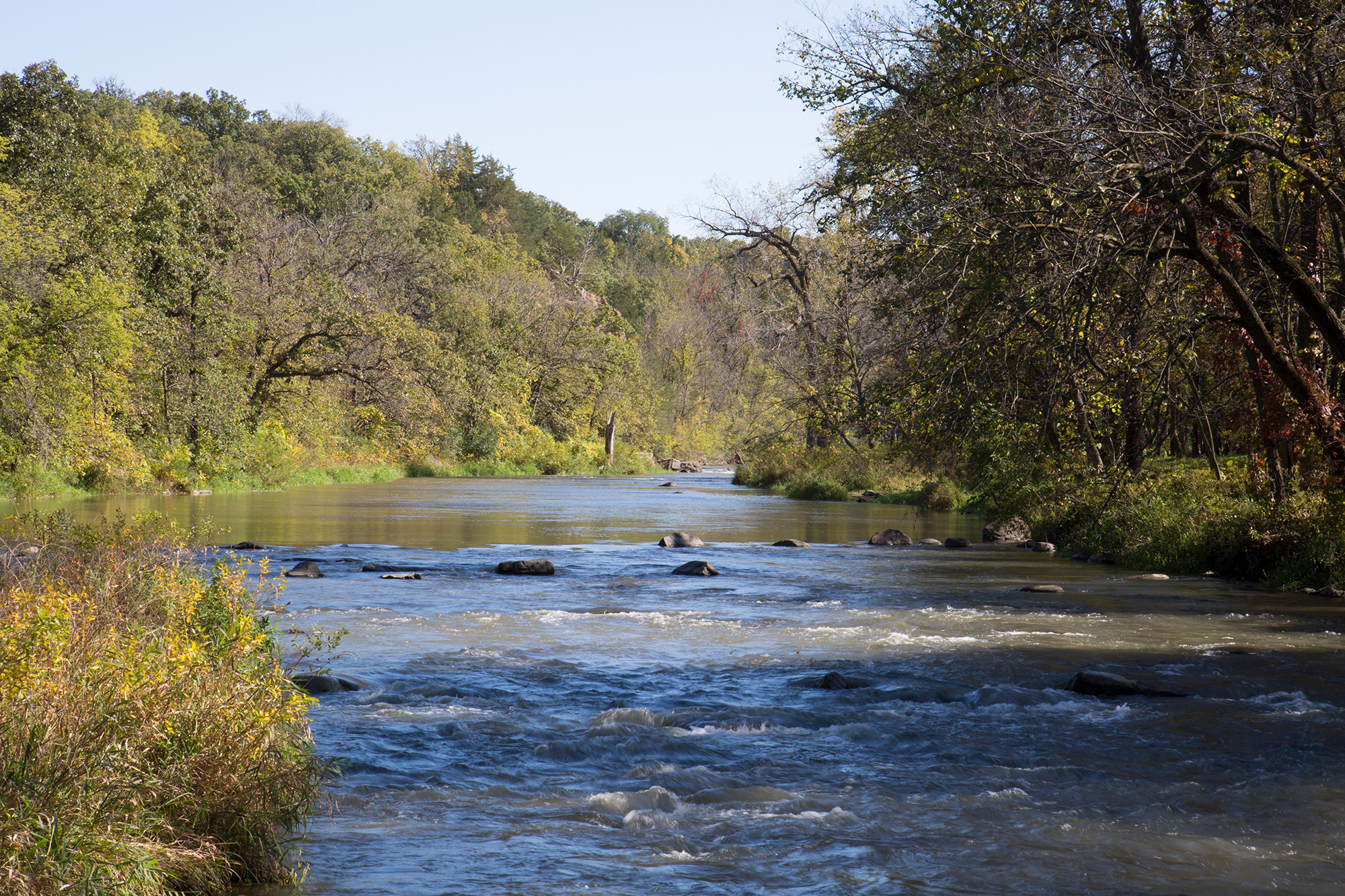
Redwood River View From the Swayback Bridge
Ramsey Park was a Minnesota State Park from 1911 to 1957, when the state sold it to the City of Redwood Falls for $1. The state had charged a 25-cent entry fee, and the city removed it, so the park has been free to visit ever since.
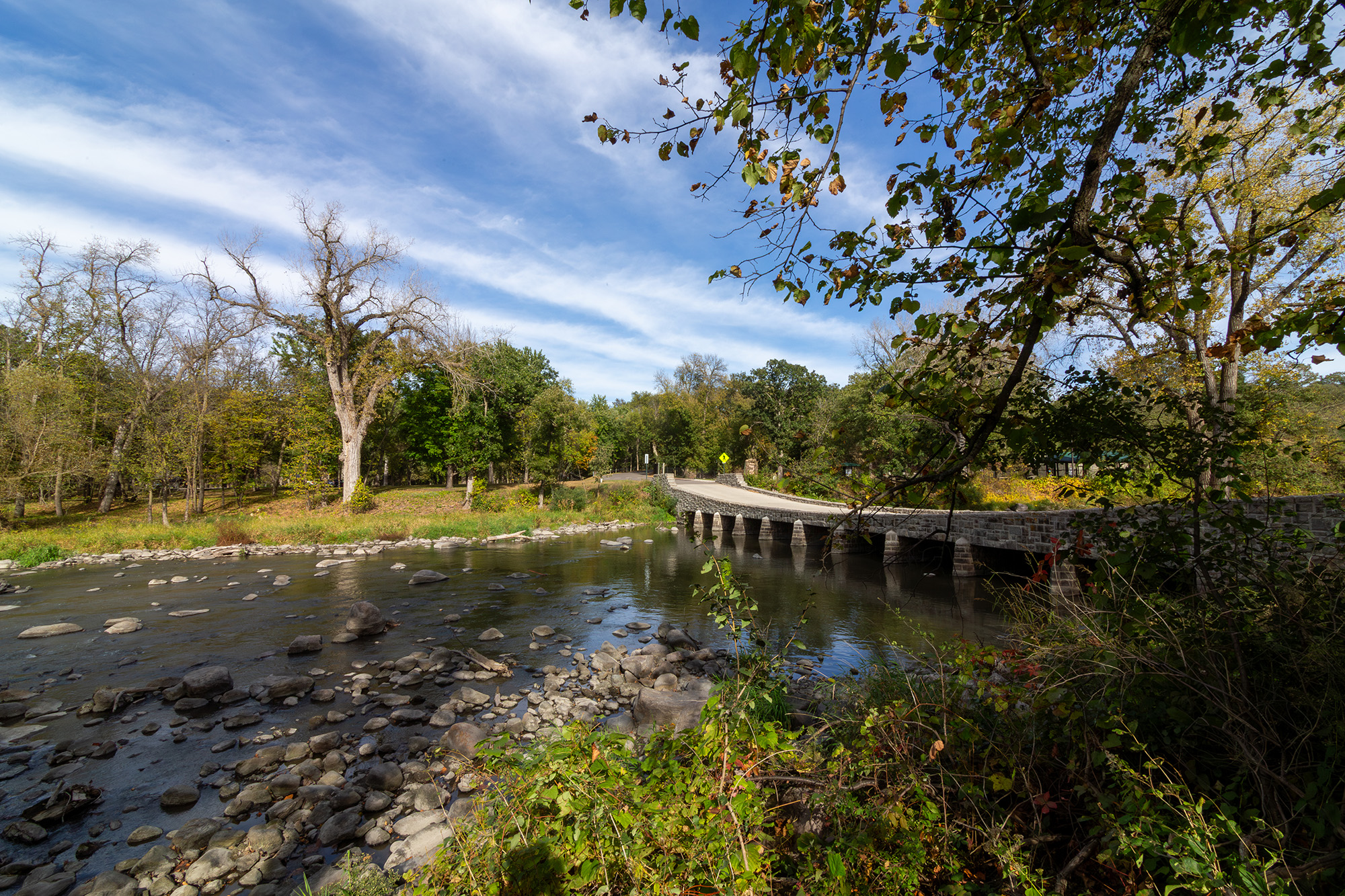
Our walk starts at the Swayback Bridge, built in 1938 by the Works Progress Administration (WPA) after earlier bridges kept washing away. The bridge was designed with a purpose: the dip in the middle and the short 6-inch railings let floodwater, ice and debris flow right over the top.
Flood and ice damage to the bridge in the spring of 2010 led to a restoration that was finished in 2013.
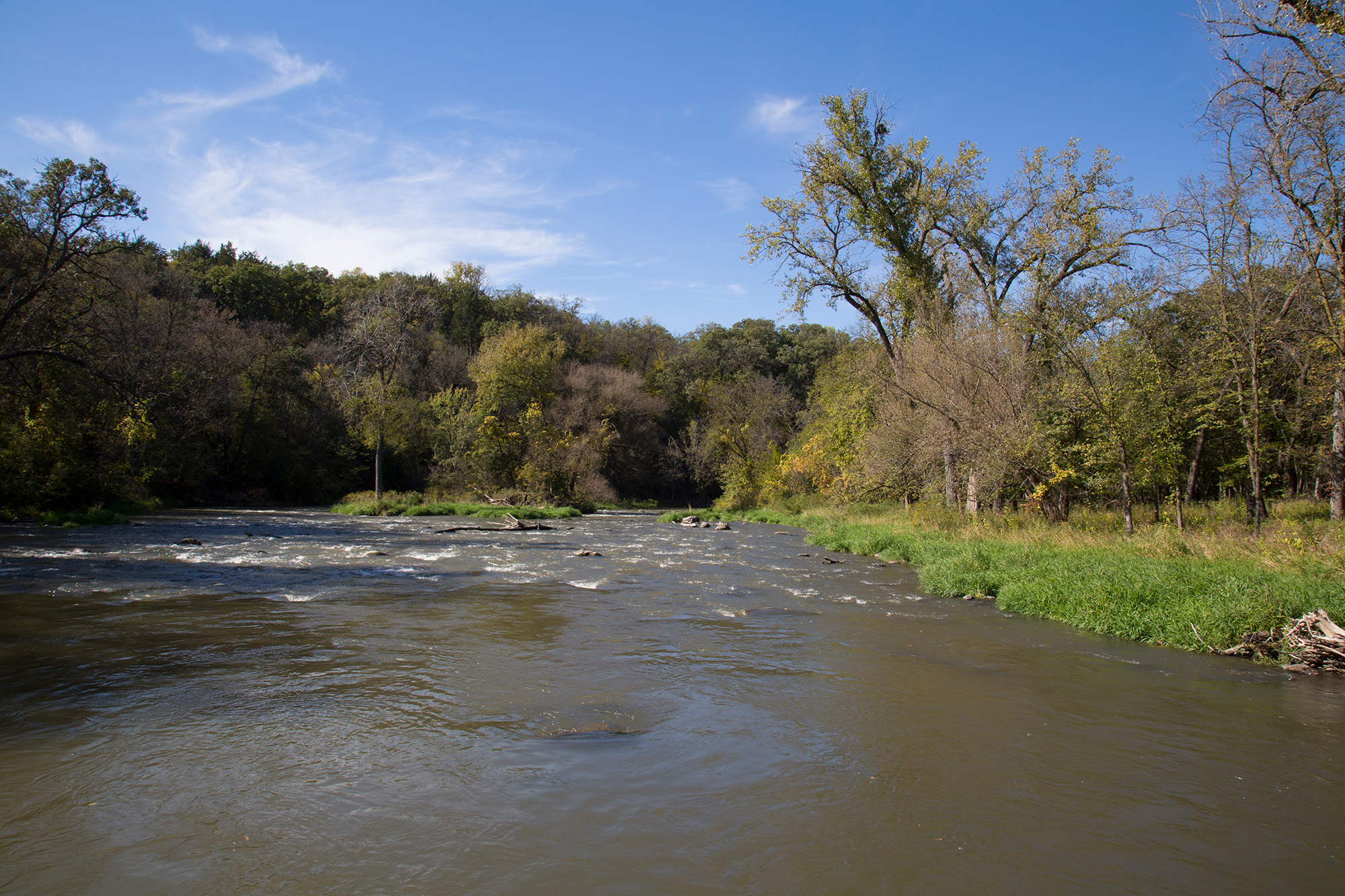
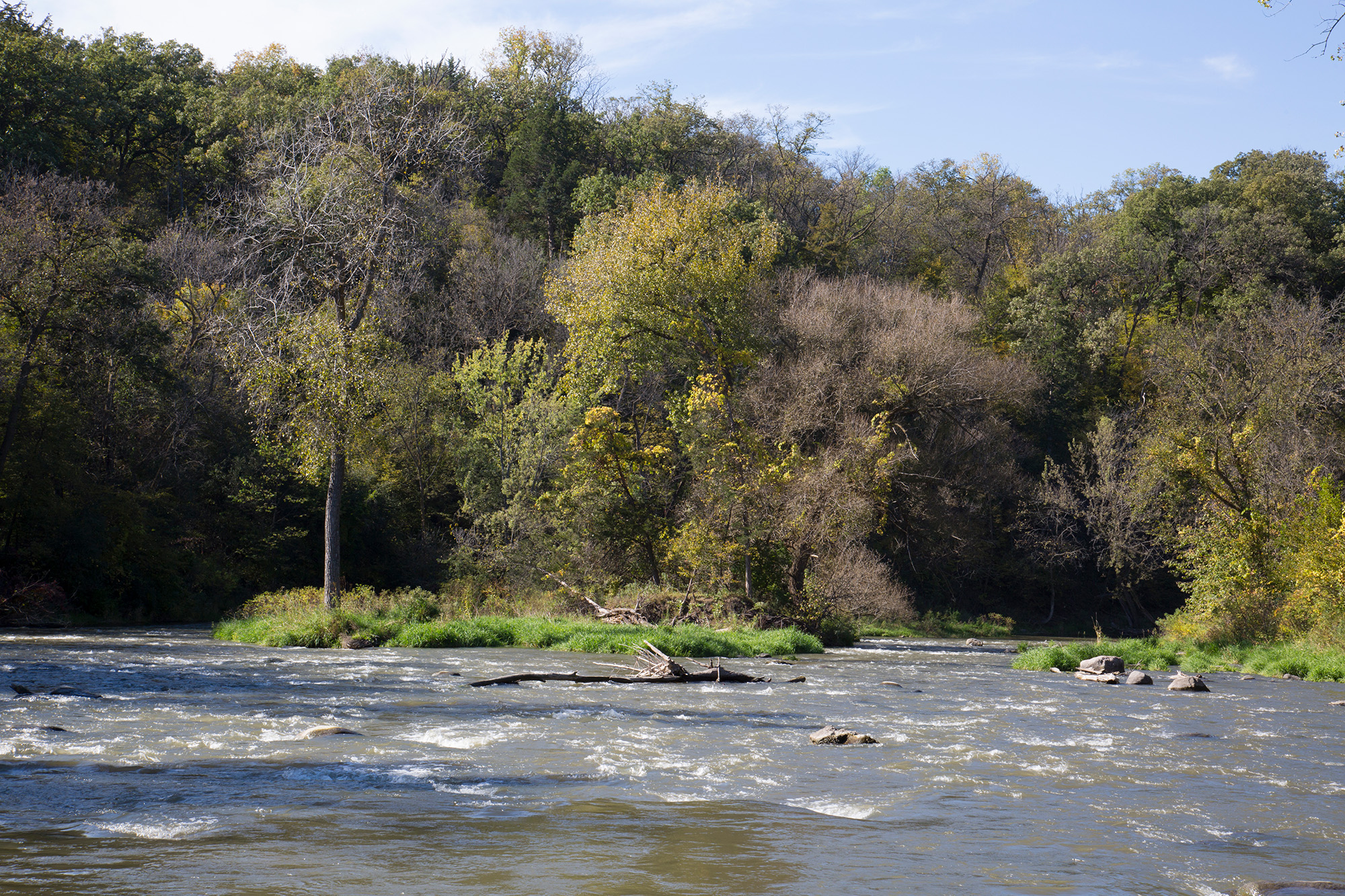
Redwood River Downstream from the Swayback Bridge
The small island downstream is Scout Island, named for the Girl Scouts cabin that was built there in 1922, years before the bridge. A flood destroyed the cabin in 1957.
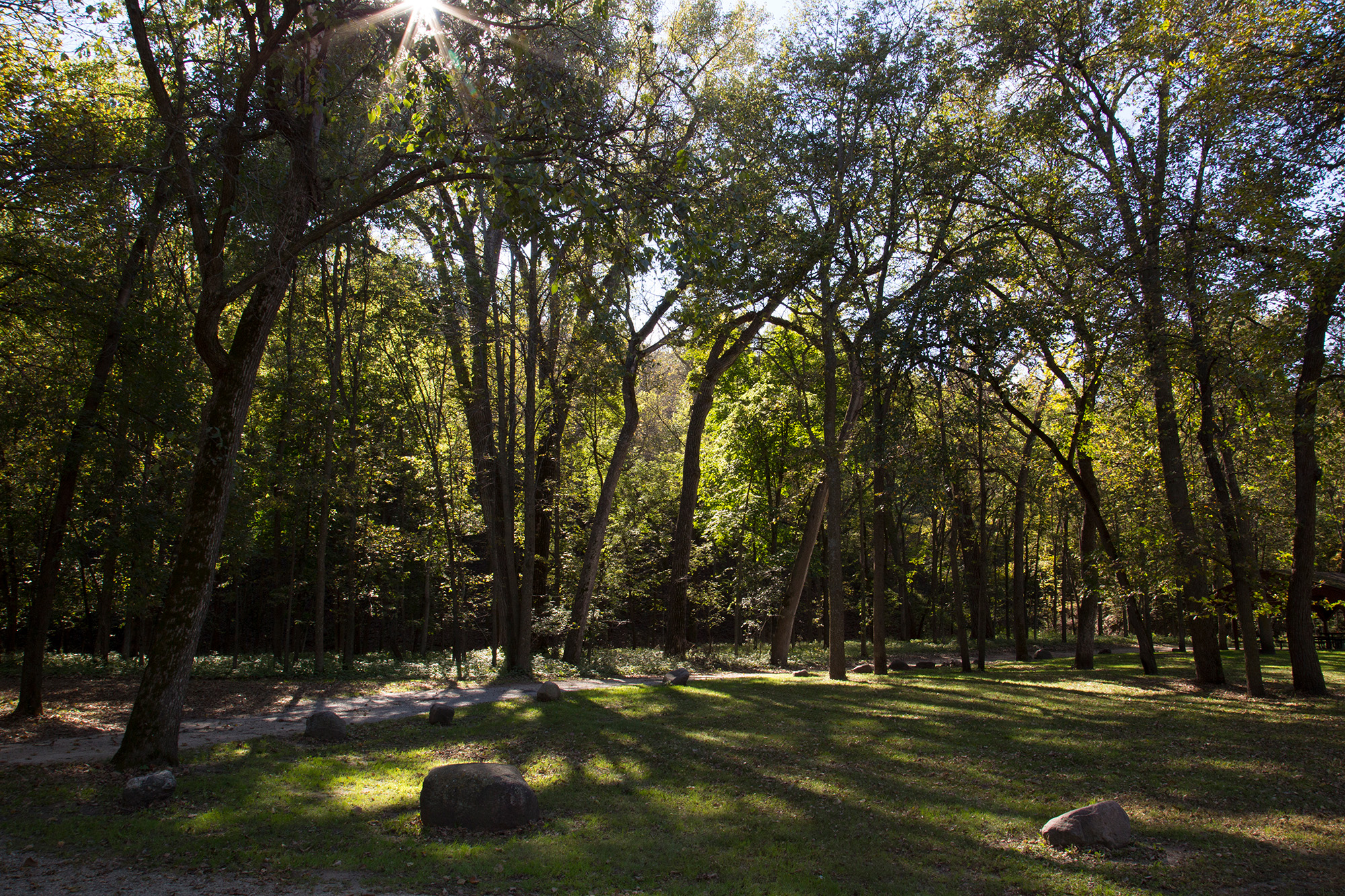
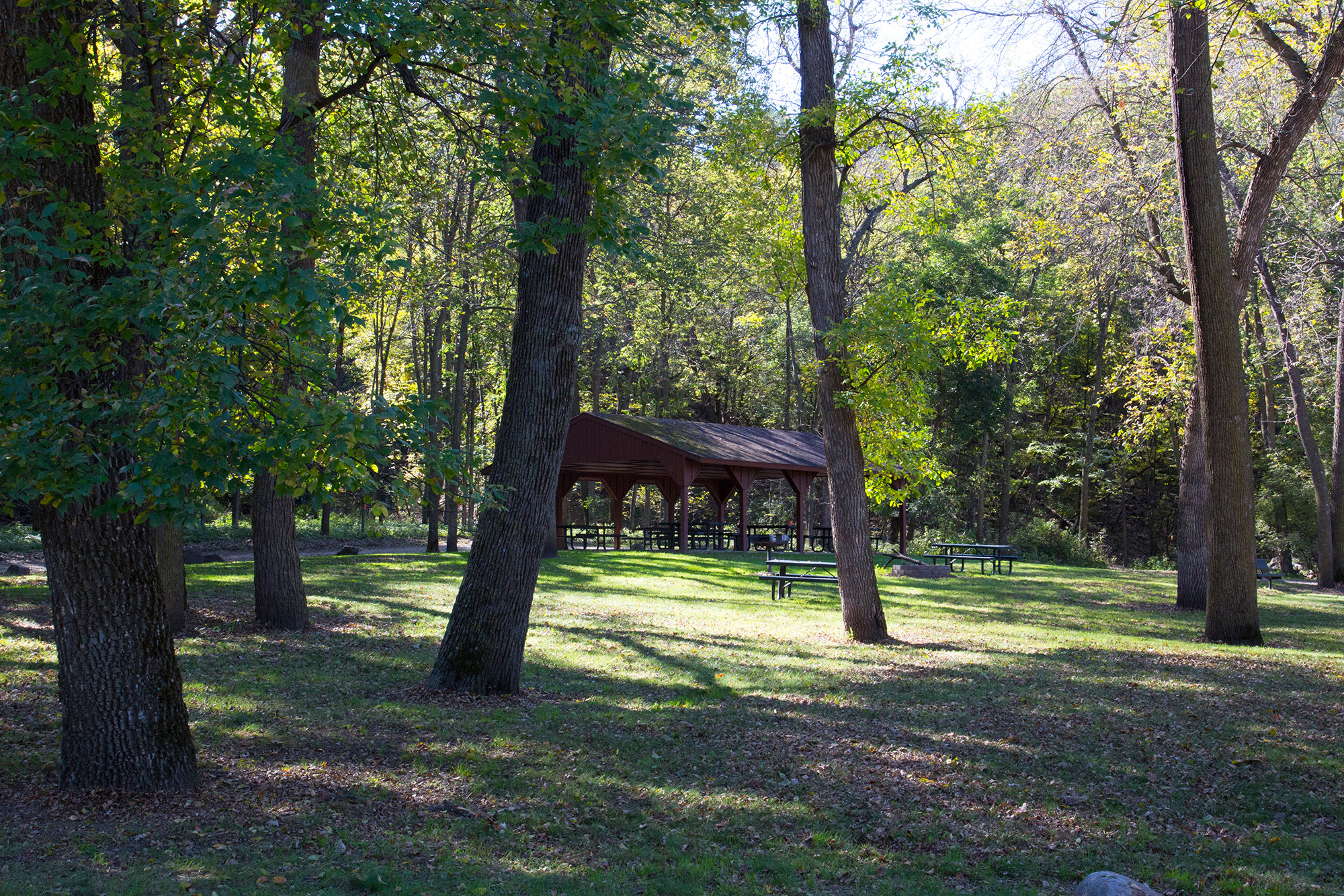
Just across the Swayback Bridge, the trees open up and the light shines through. Stop to eat or rest at the picnic shelter in the distance.
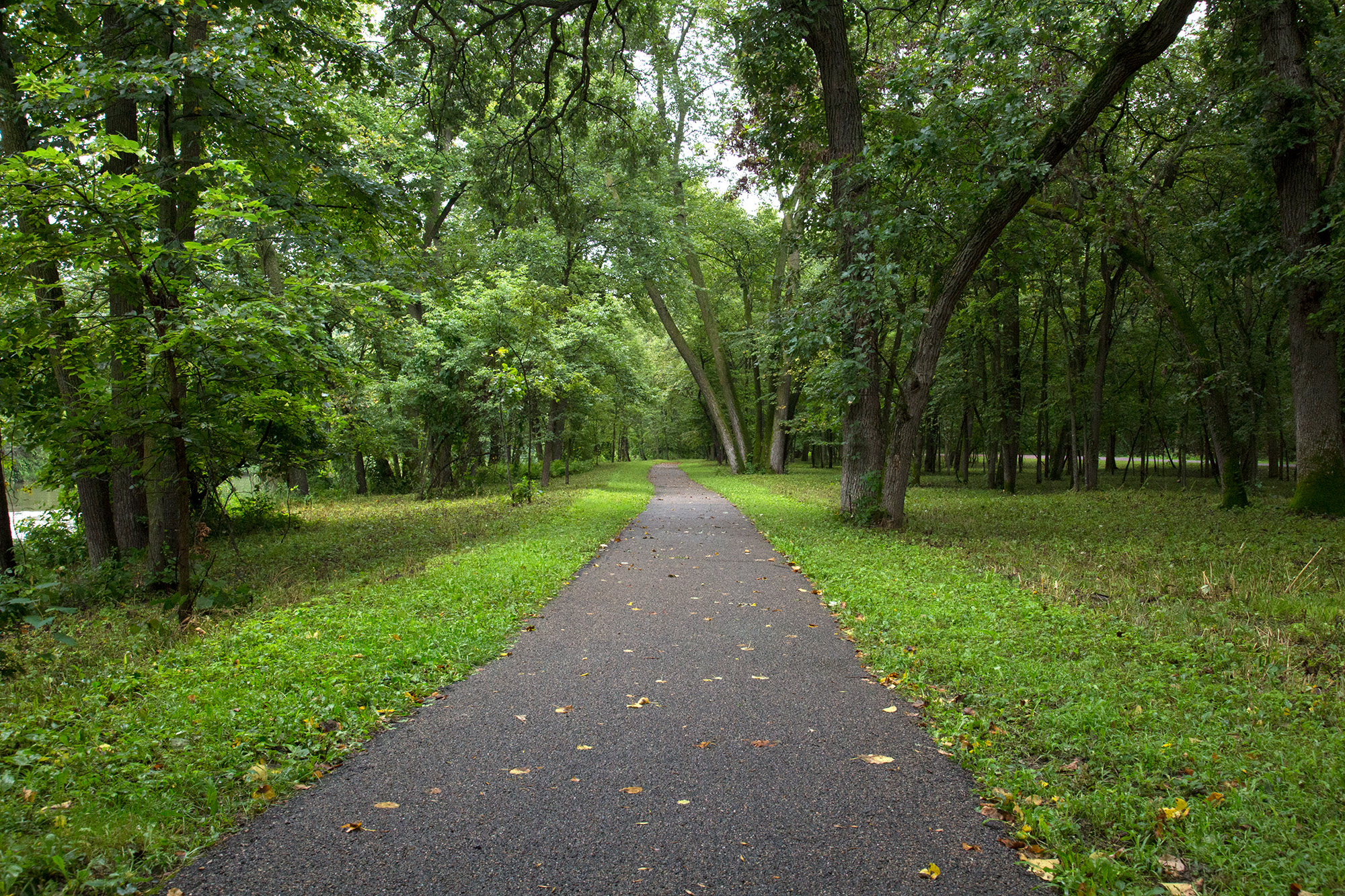
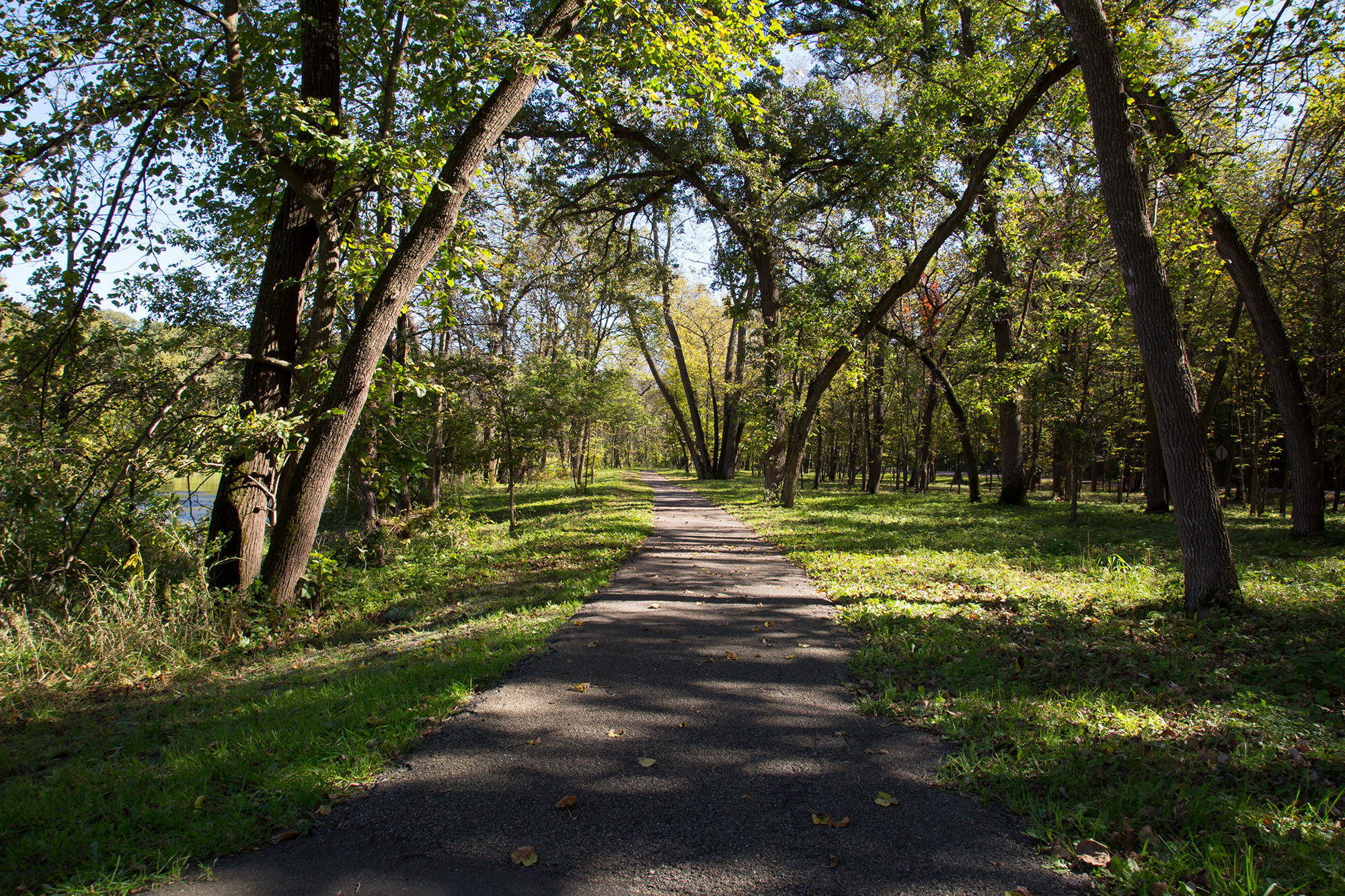
Same Trail, Different Feel
The pictures above were taken from the same spot on the hiking trail near the Swayback Bridge. Look how much the park can change from a calm cloudy day to a bright day with golden sunlight shining through the trees.
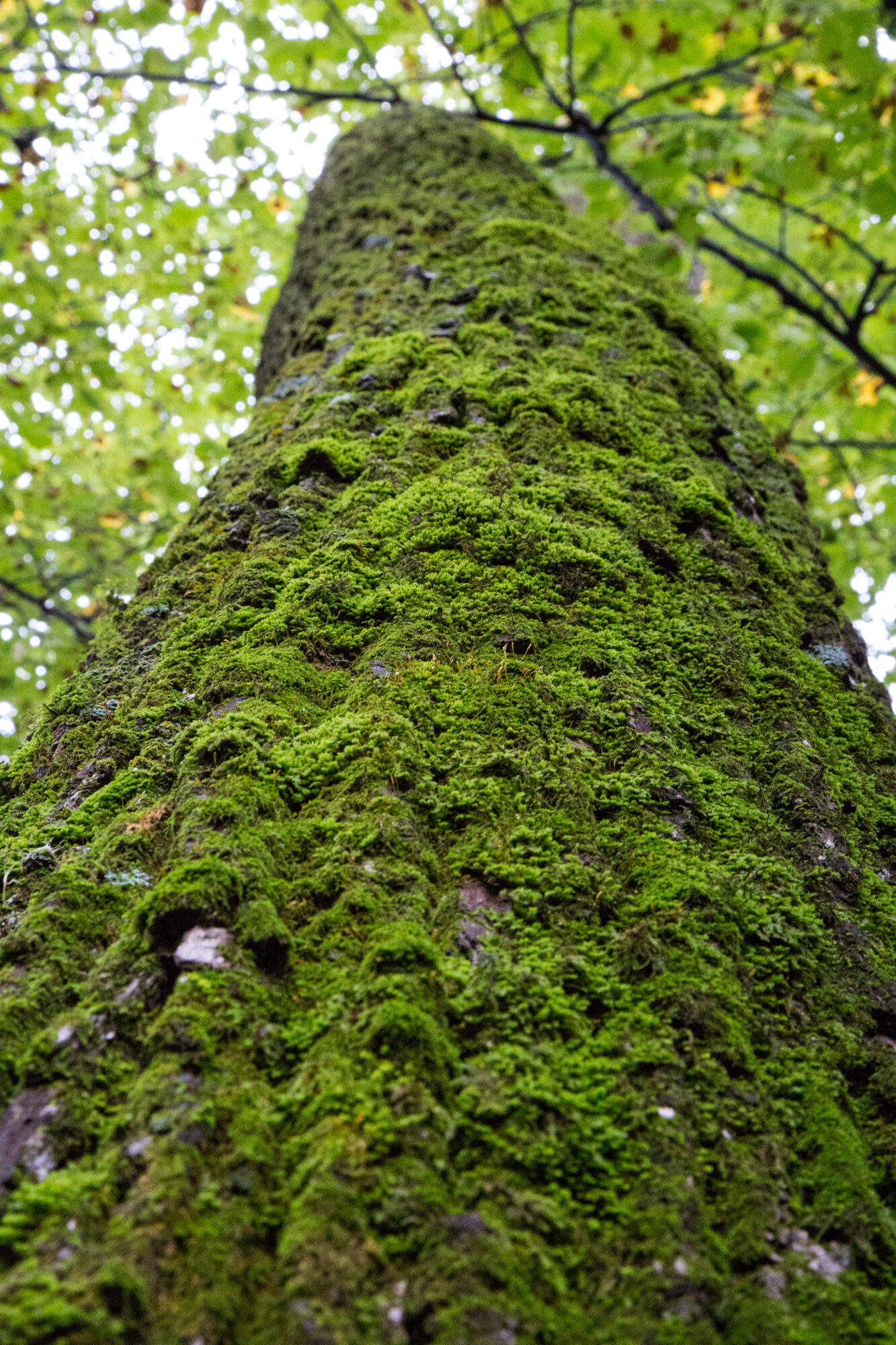
Don’t Forget to Look Up
This tall moss-covered tree caught my eye from a distance. I needed to stop for a closer look. The tree bark is wrapped in a velvety green moss all the way up the bark.
Some of the best views here are straight overhead.
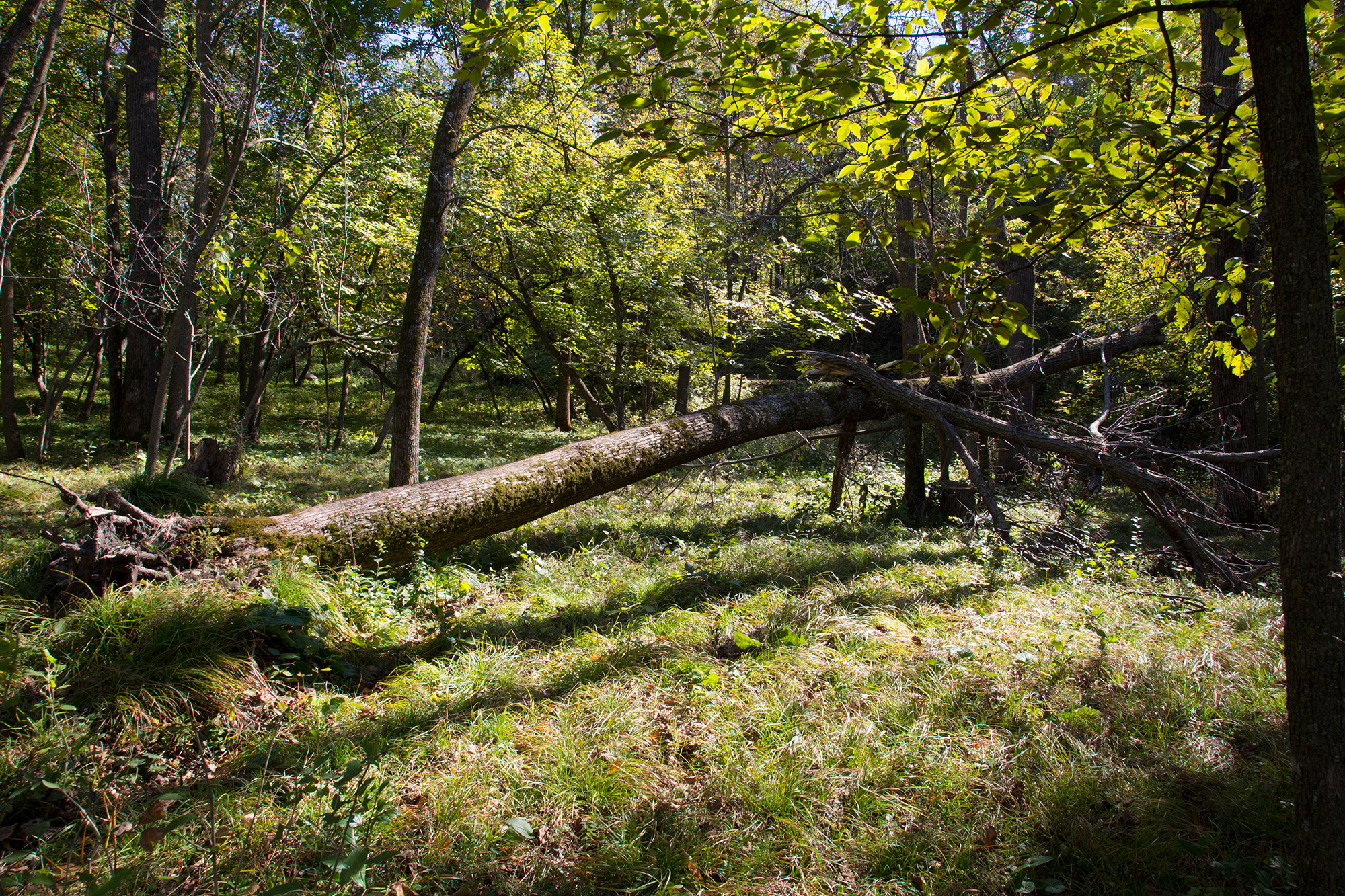
Magic in the Clearing
Sunlight poured into this small clearing and made the moss-covered fallen tree glow. Rotting wood slowly feeds the forest floor, and long ago, acids from rotting plants seeped into cracks in the rock here and broke it down into clay.
The Oldest and Youngest Rocks
Ramsey Park has Morton Quartz Monzonite Gneiss, among the oldest rocks in the world at about 3.5 billion years. Nearby are clay-rich (kaolin) deposits, some of which count among the youngest rocks in Minnesota. Geology students come here to study how rock breaks down over time.
An Ancient River Carved the Valley
About 11,000 years ago, a huge river called the River Warren drained glacial Lake Agassiz, which was larger than all the Great Lakes combined. It cut the wide valley now held by the much smaller Minnesota River, and the creeks in Ramsey Park have been carving into its edge ever since.
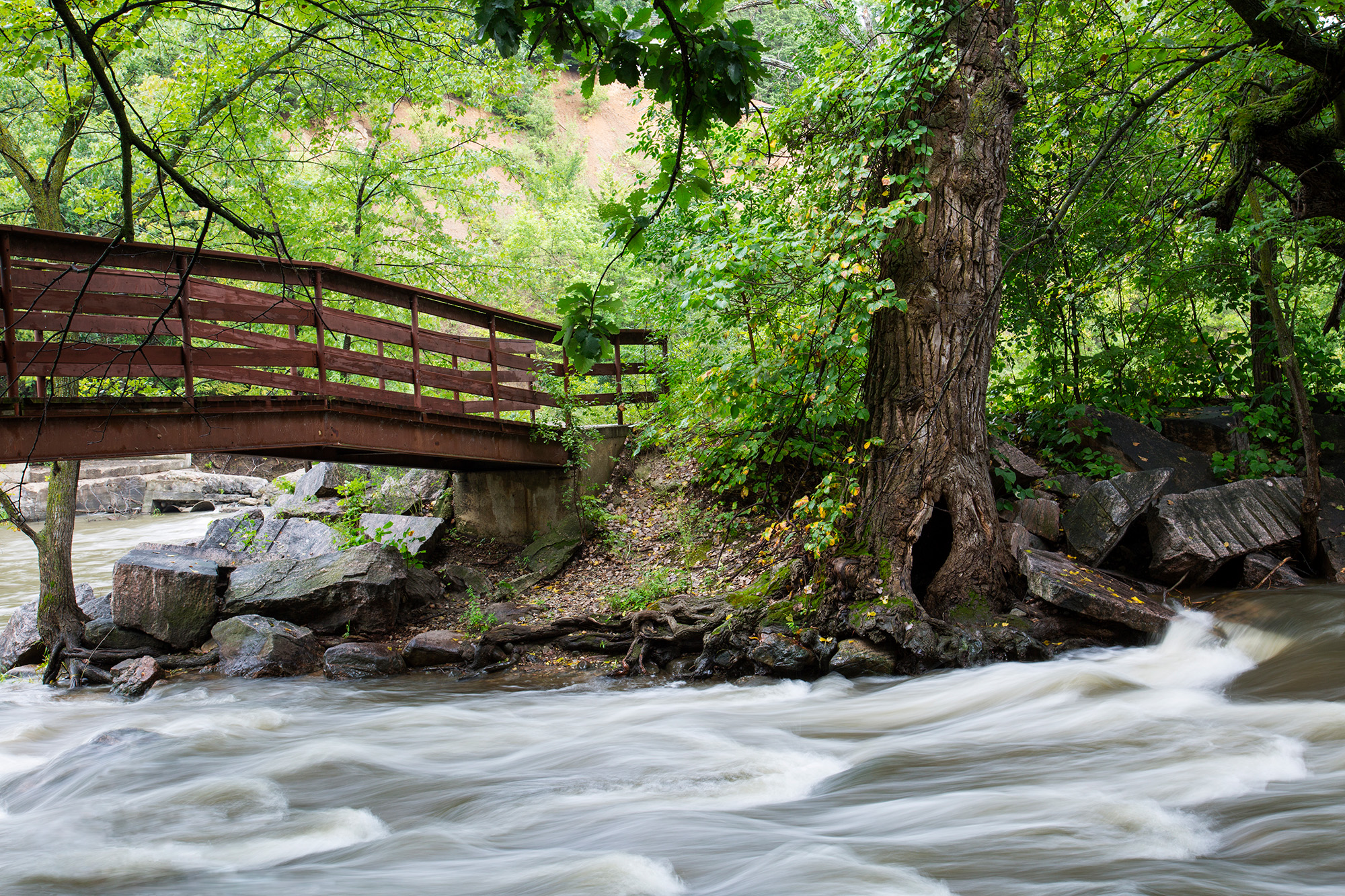
Seven walking bridges cross Ramsey Creek and the Redwood River, and this wooden one caught my eye. Look for the tree beside it with the big hole in its trunk.
Walking Towards the Waterfall
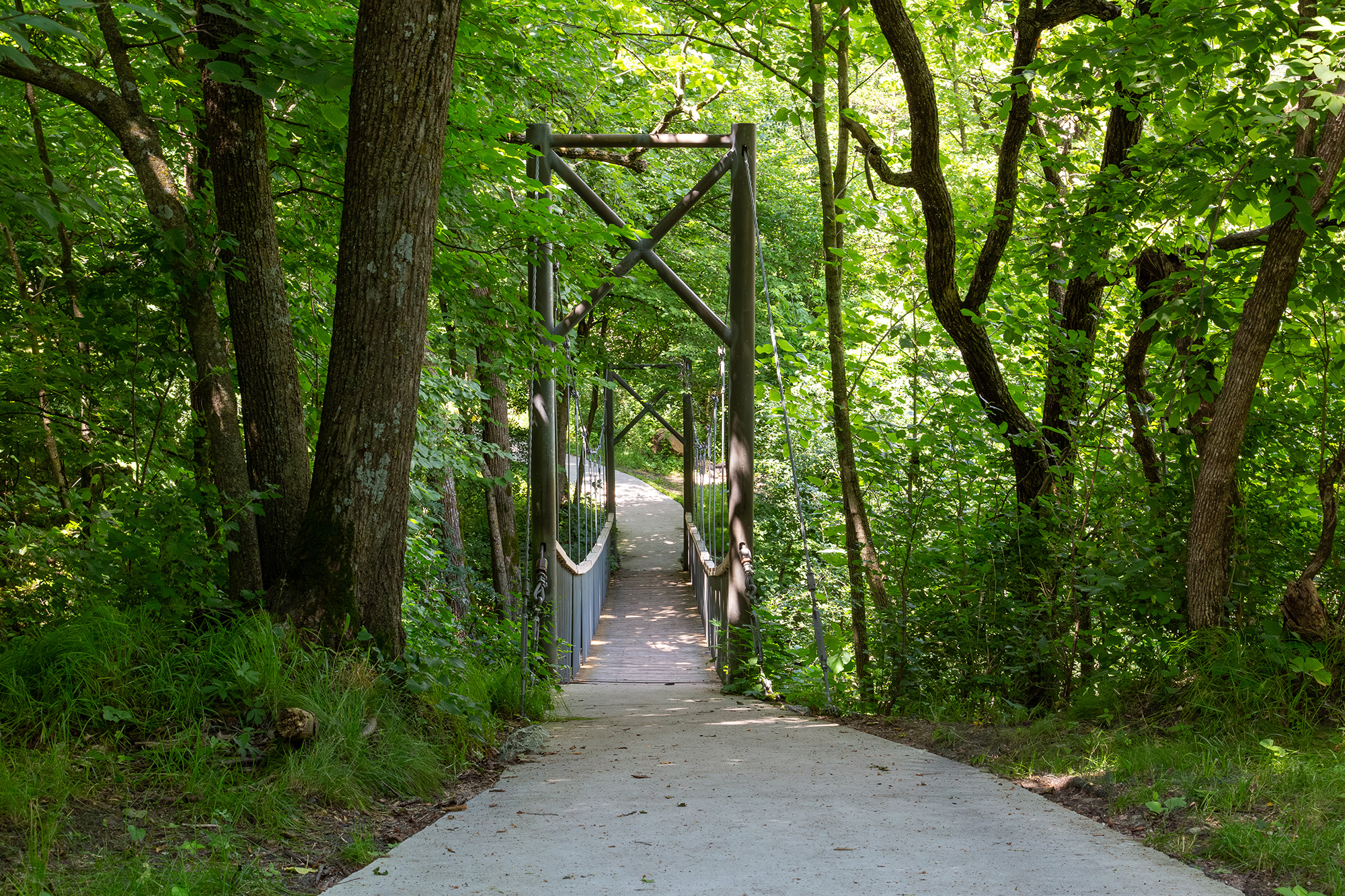
The trail to the waterfall crosses this suspension bridge. It can be a little scary to cross since it bounces when you walk across it.
As you get closer, you can start to hear the water.
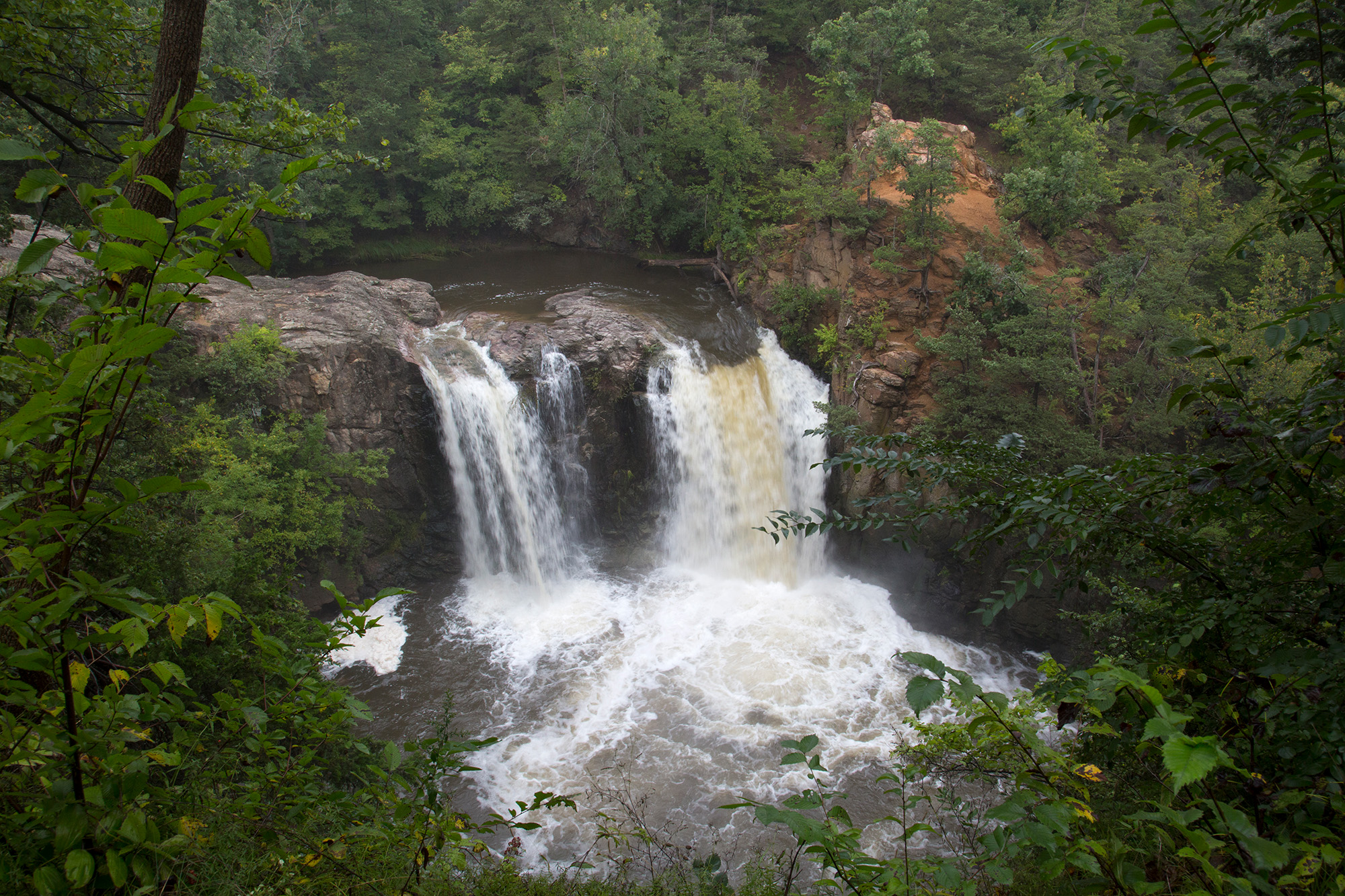
Ramsey Falls on a Cloudy Day
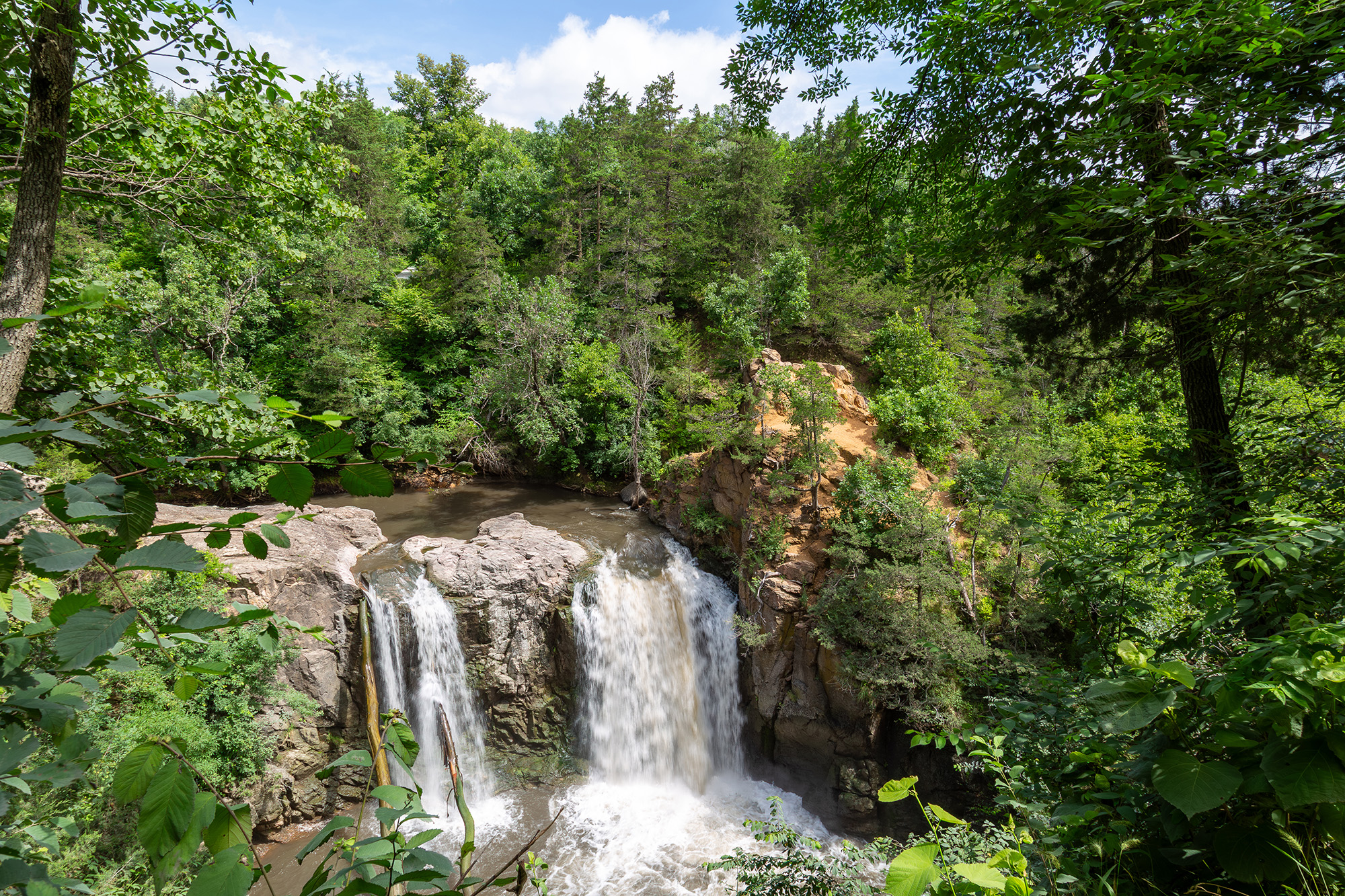
Ramsey Falls on a Sunny Day
Ramsey Creek drops about 30 feet over Sacred Heart Granite, rock roughly 2.6 billion years old. Depending on the water level, it can look like one wide waterfall or two. The overlook is open all year, and every season gives a different view. The above photos were taken in different years, one on a cloudy day and the other under a blue sky.
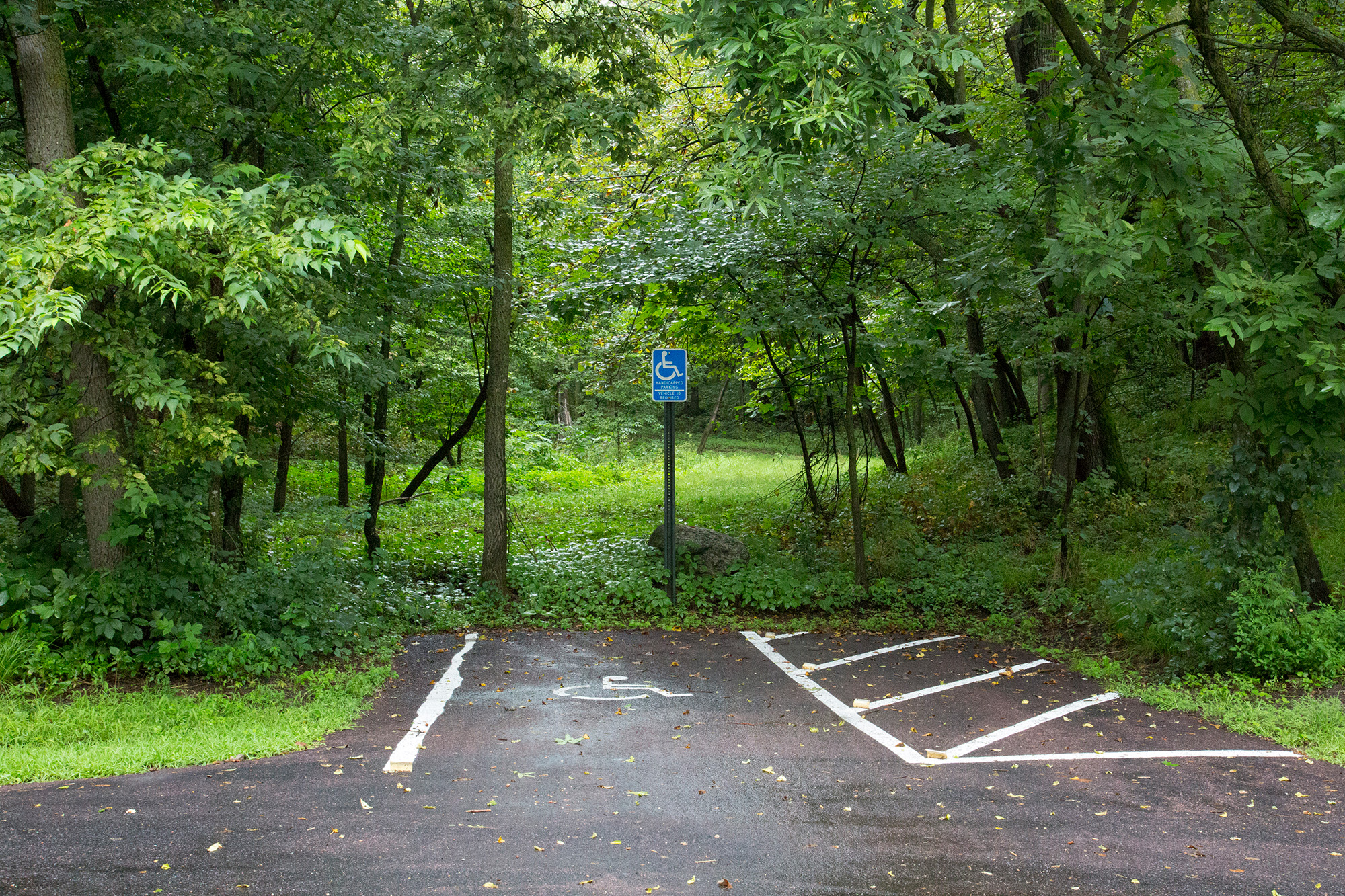
Parking Near the Waterfall Overlook
You can drive right up to the Ramsey Falls overlook. No hiking needed.
Morton Quartz Monzonite Gneiss
The Morton Gneiss (pronounced “nice”) is named for the town of Morton, a short 7-mile drive east on Hwy 71. It began about 3.5 billion years ago as gray granite cooling deep underground. Over the next two billion years, heat and pressure melted it again, folded it, and mixed in streaks of pink granite. The result is a rock banded in black, pink and gray, with flecks of white.
Glaciers buried it under hundreds of feet of soil and rock, and the River Warren later washed away those glacial deposits and exposed it. Sold in the stone trade as Rainbow Granite, it has been quarried in Morton since 1884 for buildings and monuments. My dad actually worked at the quarry in Morton for several years, and he would talk about how interesting the colors and banding in the rock were. So after visiting Ramsey Park one day, we decided to explore the Morton outcrop and see it in person.
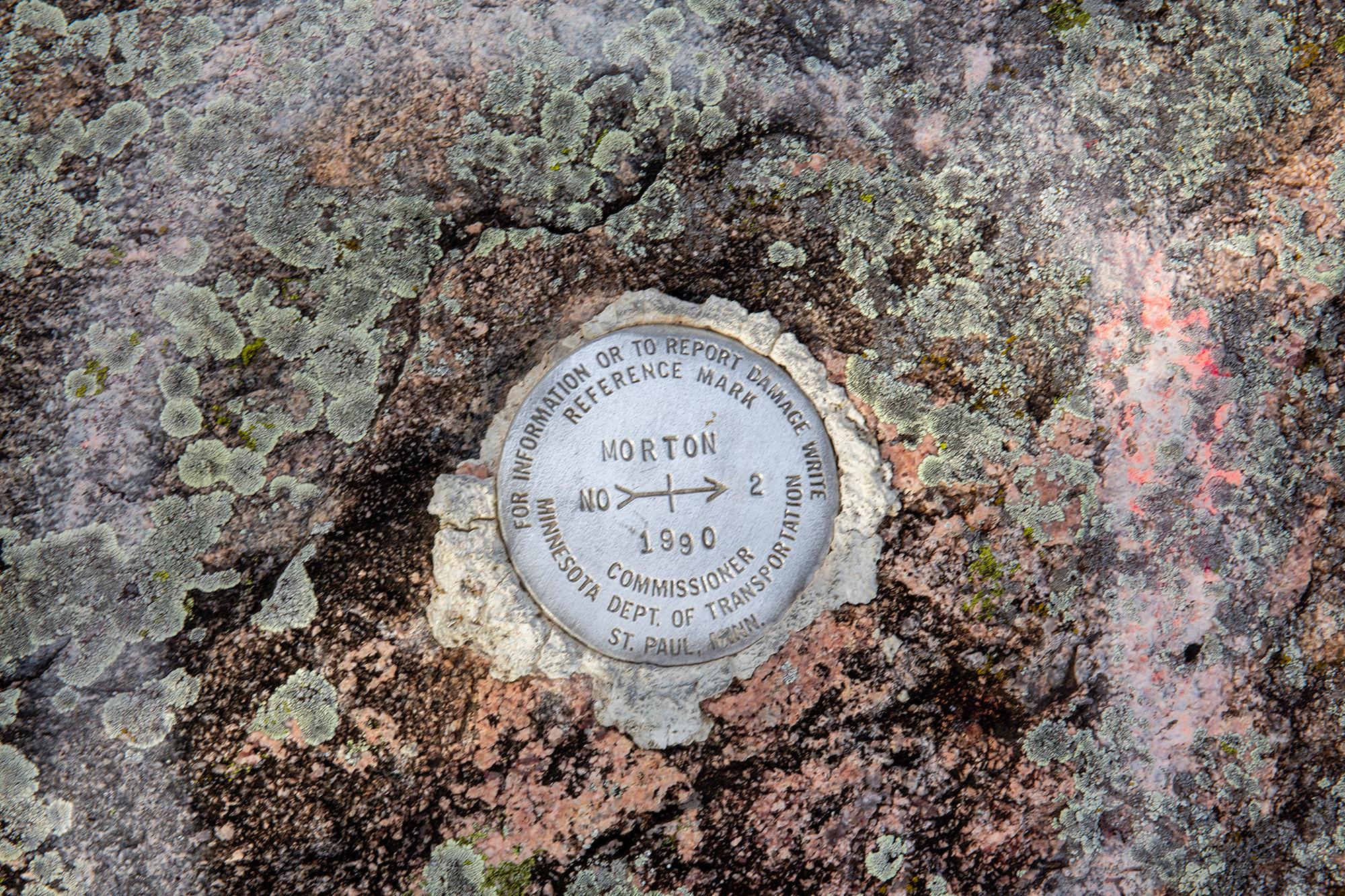
That’s where I found this metal reference mark, Morton NO 2, 1990, set right into the outcrop, a fixed point for surveyors on some of the oldest bedrock in the world.
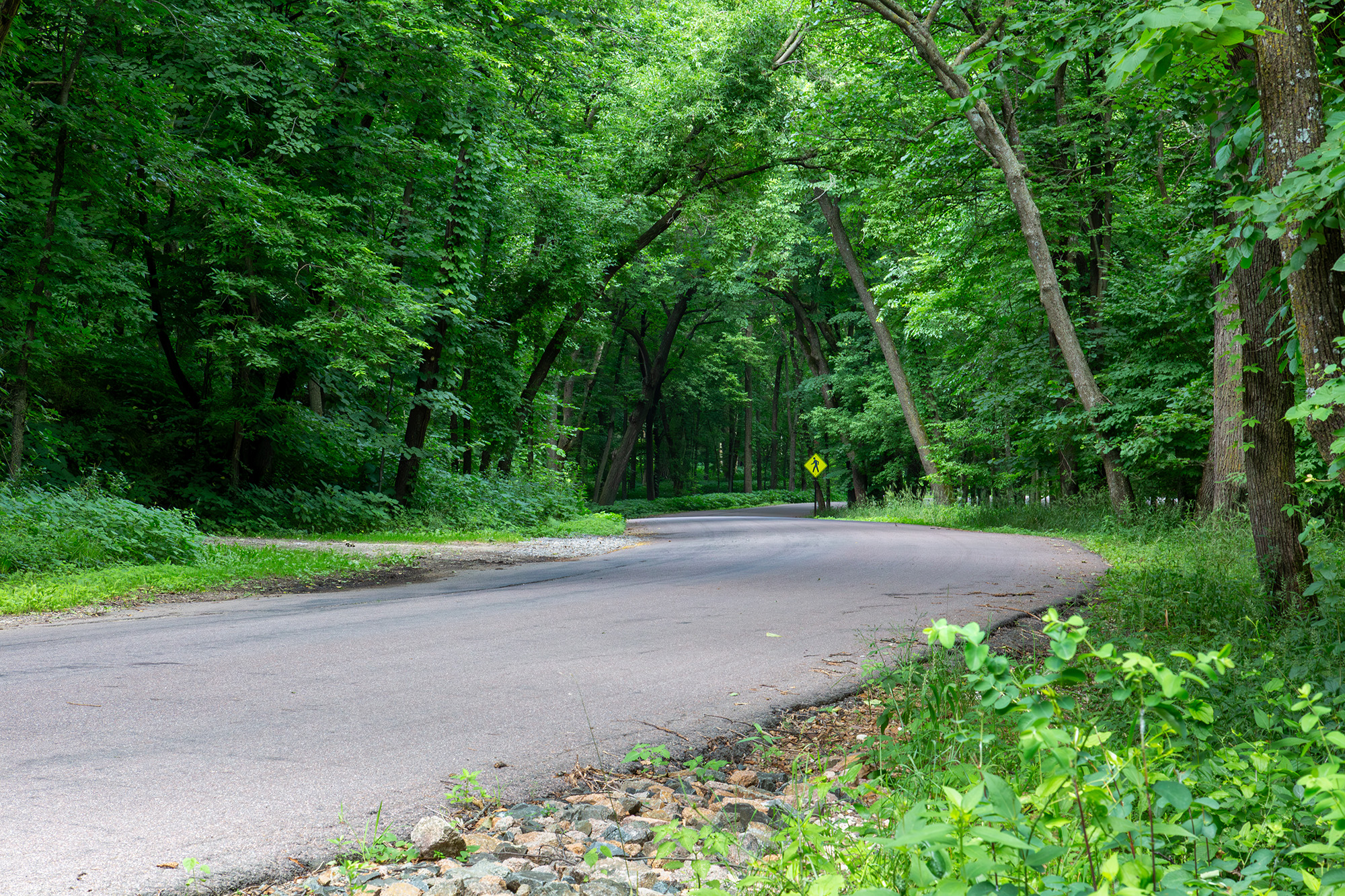
Ramsey Park has a zoo, camping, fishing, playgrounds and much more, so there’s plenty to see beyond what I photographed. If you visit, bring a camera.
Bring a piece of Ramsey Park into your home!
Many of these photos are available as prints and digital downloads. Browse the Ramsey Park photos in the Kolanderverse shop.